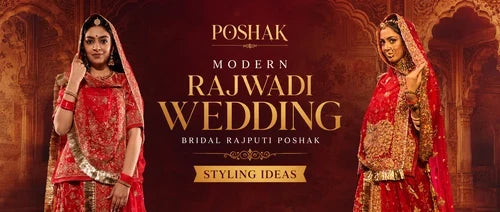
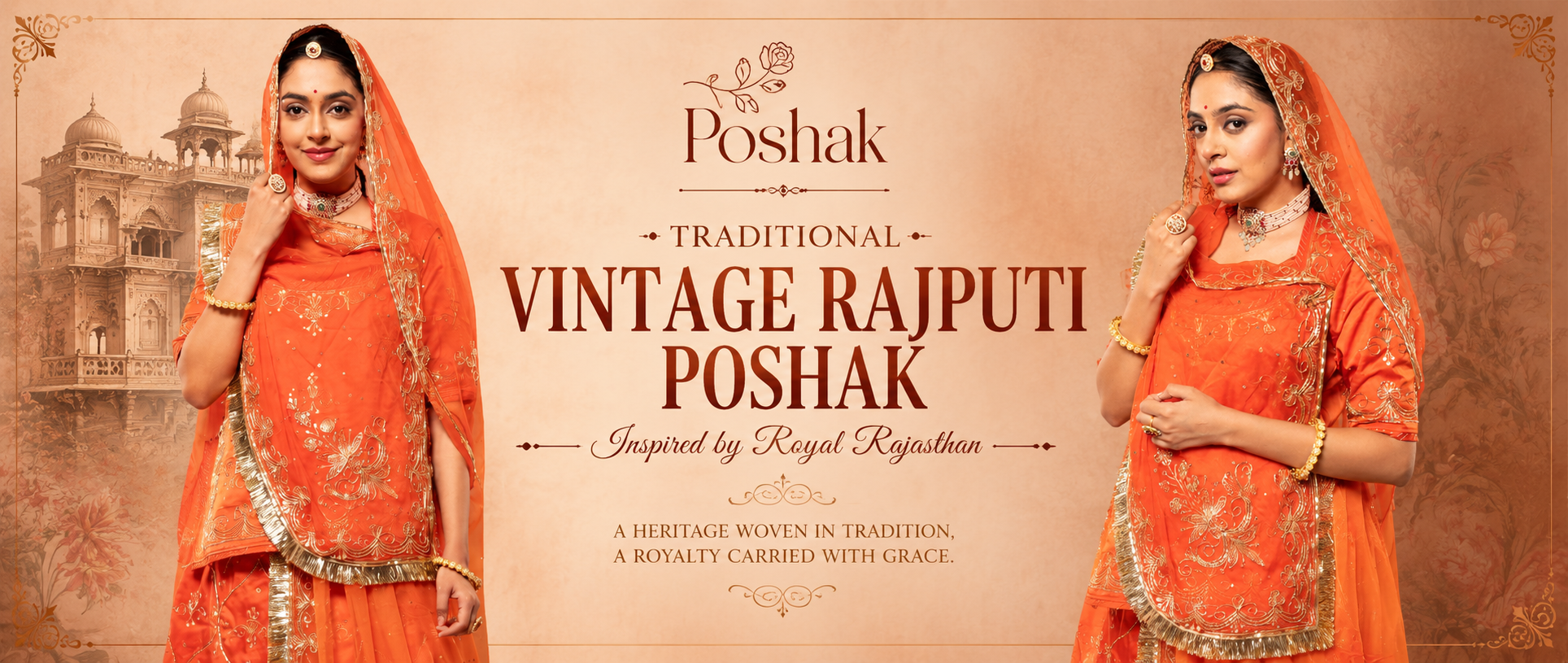
Best Poshak For Beendani in Traditional Rajputi Style
Beendani is one of those functions where the bride gets to shine before the actual wedding day. It is intimate, it is emotional, and it is surrounded by the closest people in the family. And in a Rajputi household, what the bride wears at Beendani carries just as much weight as what she wears on the wedding day itself.
So when it comes to picking the best poshak for Beendani, you cannot just grab anything that looks pretty. The function has its own feel, its own energy, and your poshak needs to match that.
Here is a proper guide to help you choose right - with actual poshak recommendations at the end.
What Is Beendani and Why Does the Outfit Matter
For anyone outside the Rajputi tradition, Beendani is a pre-wedding ritual where the bride is formally dressed and prepared by the women of the family. Depending on the region and family customs, it involves applying haldi, getting the bride ready, and celebrating her last days as an unmarried woman.
Because it sits right before the wedding, the function carries serious emotional weight. The bride is the centre of everything. Every photo from that day will be treasured for years. The poshak she wears becomes part of that memory permanently.
Choosing the best poshak for Beendani is not just about looking good in the moment. It is about wearing something that photographs beautifully, feels comfortable during long rituals, and matches the deep-rooted traditional energy of the function itself.
What Kind of Poshak Works Best for Beendani
Not every poshak is suited for Beendani. The function has some specific requirements that narrow down the choices.
Here is what to look for:
- Rich fabric with good drape - the poshak should look full and grand even when the bride is seated for long periods
- Deep traditional colours - reds, pinks, and similar shades are the most favoured for Beendani in Rajputi traditions
- Heavy handwork embroidery - Dabka, Salma, Badla, Zari, and Gota Patti work all suit the occasion
- Comfortable fit in the kanchli - since the bride is seated and moving through various rituals, the kanchli should not feel too tight or restrictive
- Odhni that stays in place - a slightly heavier odhni with embroidery at the border holds better during long ceremonies
The best poshak for Beendani usually sits in the same weight category as a bridal poshak - not casual, not simple, fully festive and traditional in every way.
Colours That Work for Beendani
Colour choice for Beendani in Rajputi culture is guided by tradition as much as personal preference. Deep and warm shades dominate.
Colours that have always worked for this function:
- Red and deep crimson - the most traditional bridal shade, carries immense significance in Rajputi weddings
- Surkh red - a brighter, more vibrant red that photographs brilliantly under all kinds of lighting
- Pink and gulabi shades - a softer choice for brides who want to save the deep red for the actual wedding day
- Maroon - rich and elegant, works beautifully for an evening Beendani function
- Coral and warm orange - less common but very beautiful, especially in natural outdoor light
Most families in Rajputi tradition prefer the bride to wear red or pink at Beendani. It is a colour that carries blessings, joy, and the beginning of the bridal journey.
Embroidery That Elevates a Beendani Poshak
The embroidery on the best poshak for Beendani should feel bridal without being identical to the wedding day look. You want something that has weight and richness but still reads as a separate function.
Embroidery styles that work perfectly:
- Dabka and Salma Badla handwork - traditional metal thread embroidery that catches light beautifully and has a timeless bridal quality
- Gota Patti - gold and silver ribbon work that adds a festive and very Rajasthani feel
- Zari work - metallic thread embroidery in detailed patterns, looks grand without being overpowering
- Mirror work on the border and odhni - the shimmer reads well in photographs and adds that celebratory feel
- Resham thread work combined with Zari - the colour contrast between the silk thread and metallic zari creates a very rich visual effect
Heavy handwork on the kanchli with a detailed border on the ghagra is the most classic combination for a Beendani poshak.
Poshaks Worth Looking At for Your Beendani
Here are four options that genuinely suit the occasion - traditional, well-made, and fitting for a Beendani function.
1. Rajputi Bridal Poshak: Red Satin Dabka Salma Badla Handwork: This one is made for a function like Beendani. The red satin base with Dabka, Salma, and Badla handwork is exactly the kind of embroidery that carries weight and tradition. It photographs beautifully and sits squarely in classic Rajputi bridal territory. View this poshak here
2. Satin Silk Surkh Poshak: Surkh red is a shade that almost every Rajputi bride looks stunning in. This satin silk version has the right amount of richness without being too heavy to wear through a full day of rituals. A solid choice for brides who want the traditional red but with a cleaner, more polished finish. View this poshak here
3. Satin Silk Laal Surkh Poshak: If the previous one caught your eye, this is the deeper, more intense version of the same shade family. The laal surkh tone has more depth to it and works particularly well for evening functions when the lighting is warm and the embroidery really comes alive. View this poshak here
4. Satin Silk Gulabi Poshak: For brides who want to wear the deep red strictly for the wedding day, this gulabi poshak is a beautiful Beendani choice. The pink sits warm and festive without feeling casual, and the satin silk fabric gives it the bridal weight it needs for this kind of occasion. View this poshak here
A Few Styling Tips for Beendani Day
Once the poshak is sorted, the rest comes together more easily. A few things to keep in mind:
- Keep the jewellery traditional - Kundan or Polki sets, a maang tikka, and a nath are the most fitting choices
- Gajra or fresh flowers in the hair suit the pre-wedding energy of Beendani
- Go with a bold lip in red or deep pink - it complements the poshak colours and reads well in photos
- Get the odhni pre-pinned before the rituals begin, so it stays in place throughout
- Embroidered juttis or mojaris at the feet complete the traditional look without any overthinking
The Bottom Line
Beendani is one of those rare functions that is completely about the bride. The best poshak for Beendani is one that honours the tradition of the occasion, fits the bride comfortably through hours of rituals, and photographs in a way that does justice to the memory being made.
Red, surkh, gulabi - pick the shade that feels right for you. Make sure the embroidery has weight, and the fabric has quality. Everything else falls into place after that.
Frequently Asked Questions
Q1. Is it okay to wear the same colour at Beendani and the wedding?
Many brides do. But if you want a distinction, save the deepest red for the wedding and wear a surkh or gulabi shade at Beendani.
Q2. How heavy should a Beendani poshak be?
Bridal weight - not casual, not too light. You want it to look grand in photos but still be wearable through a long day of rituals.
Q3. Can I wear a readymade poshak for Beendani or does it need to be custom?
Readymade works perfectly well, especially from brands that specialise in Rajputi wear. The fit and embroidery quality are usually very reliable.
Q4. What jewellery works best with a red Beendani poshak?
Kundan or Polki sets in gold are the most traditional pairing. Keep the pieces heavy and traditional - Beendani is not the occasion for minimal jewellery.
Q5. How early should I finalise the poshak before the wedding?
At least six to eight weeks before. If alterations are needed or the product has to be shipped, you want enough time to sort everything without last-minute stress.
Be part of the Yuvti community on Facebook and Instagram for bridal fashion inspiration, traditional styles, and exclusive launches.